Showing posts with label #BeautyProducts. Show all posts

Wednesday, 18 May 2016

You Shouldn't Be Having Dry, Tight Skin After Your Shower.

We've all experienced that dry, tight feeling on our skin after a shower and we've come to associate it with being clean. Your skin is NOT clean, its dry. Skin feeling dry after a shower probably means your shower gel contains parabens and sulphates. These have been known to dehydrate skin. Parabens are a variety of commonly used preservatives in personal care products and sulphates help make cleaning agents frothy. While the jury is still out on whether they are harmful to health, there is little doubt they can be harsh on skin.

Parabens and sulphates often strip skin of oils. While this may seem like a good idea, that oily layer (good oils) is necessary for skin hydration and health. Within that thin oily layer resides many good bacteria. They protect skin against external bacteria and forms part of its protective layer.

Due to this protective layer being removed (resulting in that dry, tight feeling after a shower) many of us apply moisturiser to rehydrate skin. That stops skin from temporarily feeling dry but that protective layer is missing and skin's pH becomes imbalanced. All this serves to weaken skin over time, making it more susceptible to wrinkles, age spots, scarring and ineffective healing.

The alternative is to shower in botanical formulas made without parabens, sulphates or fragrances. There are a few on the market and they are excellent choices for sustainable skin health. The shift towards these much better cleansing options have been slow for two reasons. Firstly, they seem more expensive at first glance. However, many organic formulas have low water content. This means you will need less shower gel to have a shower. This is also better for the environment as fewer plastic bottles are used. We've estimated that organic shower gels are only about 8% more expensive per shower and reduce carbon footprint by 30%.

d'Organica's™ research department recently (Jan, 2016) conducted an experiment with 82 participants (mainly women) who use moisturiser after a shower. They found that 68% of participants, after using a chemical-free shower gel (d'Organica™ Revitalising Shower Gel), said that they no longer felt they needed to moisturise after their shower. 18% said they would moisturise anyway out of habit and only 15% said their skin still needed moisturising.

We conclude from this experiment that many commonly used bath gels, overly dry skin and the subsequent use of moisturiser is often unnecessary. It's a cycle of over consumption that we don't need. This can be seen with hair care products too - the amount of conditioner used can be severely reduced if shampoos were less harsh on hair.

Let's review the purpose of using shower gel to begin with  - It is to clean. So, does organic, paraben, sulphate-free shower gels clean skin throughly. Yes! It does. Instead of using abrasion to strip skin of dirt, grime and odour, chemical-free shower gels use ionisation technology. The compounds in the gels attract dirt and odour. It sticks to the shower gel compounds  and it gets washed away when you rinse. It's micro smart chemistry.
_________________

Read our previous blog on our "over consumption of personal care". Become aware that organic formulas are not just a luxury item or a passing phase. With growing numbers of people with skin sensitivities and diseases, knowing what you put on your skin and what you cleanse with is vital for sustainable skin health.

Tuesday, 22 December 2015

We need a personal care revolution : The shampoo example


It's shocking how many ingredients in shampoo and shower gels are chemical compounds which, can be toxic to skin. Let's use the example of a shampoo found in a pharmacy or supermarket. They will cost between SGD$8 - $15 for 250ml - 500ml. The big players being Loreal, Dove, Pantene, Herbal Essences, just to name a few. I completely agree, they are affordable. They have been manufactured to be cost effective, but not necessarily good for long term beauty care.

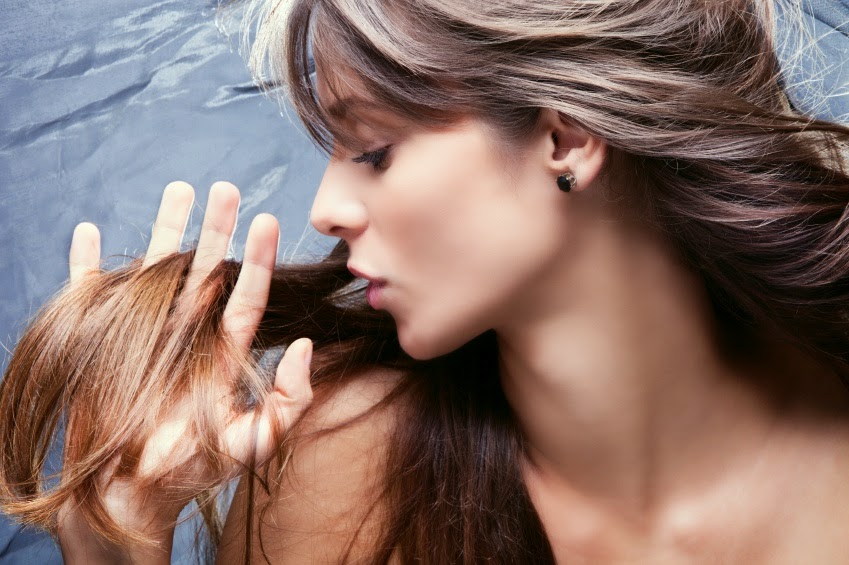
Lets use Pantene to illustrate this example. Remember their famous ads which demonstrate that after using their shampoo, it will create immediately silky hair. There's a reason for this. One of it's top 5 ingredients is silicone. Silicone is a fantastic ingredient to use in conditioner - on the surface anyway.

When a conditioner with high levels of silicone is applied to hair, it coats hairs with thin layers of silicone, sealing down damaged hair. This reduces the appearance of fly-away hairs and makes hair appear shiny for about a day.
Here's the catch - because it has sealed down the hair with the sticky silicone substance, it also prevents the hair from repairing itself and rehydrating. Any leave-on conditioners and hair oils don't have a chance to penetrate the hair to repair it. This means that over time, your hair will get more and more dry. Brittle hair and split ends will most likely follow.

That's not all it does. Silicone coated hair also reduce the amount of hair colouring that gets absorbed into your hair. Colourist either have to increase peroxide percentage to force the hair colour to take, or you're left with colouring that's not quite as vibrant as it should be.  
 d'Organica™ by The Little Essentials

Here's the best part - because your hair is now dry, you have started on the cycle of consumption. You need to buy product to hydrate hair, you need to buy product to make it appear shiny and in a further burst of irony, you need to buy product to detox your hair of chemical residue.

There is a solution, but it may not be the one you want to hear - there is no instant fix. The reality is that your hair is now dependent on silicone based conditioner and it's not been in a natural state for some time. When you do shift to a silicone-free hair care system, your hair will either appear oily or dry and for a weak or two. Yes! We're here to tell you the truth.

If you push on after those two weeks, your hair will start becoming naturally hydrated and shiny - believe it because it's true! The hair shaft will secrete the right amount of oil for your hair and your natural hair quality will start reemerging. It's absolutely inspiring how nature works. The reality is, you're designed to be beautiful. Give nature a chance to prove it! Use 100% natural. Use 100% organic.

by Dianne Little
thelittleessentials@gmail.com


Tuesday, 8 December 2015

d'Organica™ is the new skin doctor


We're created a range which rebalances sensitive and damaged skin so normal cell generation can take place. We know you are naturally beautiful and this range will show it.

Wednesday, 21 January 2015

How To Choose & Use Essential Oils For Aroma

There are many kinds of vaporisers. We are only mentioning the methods that we recommend for our fine quality essential oils. Our oils are premium grade, pure 100% certified organic oils. They must be used sparingly as they are extremely potent and concentrated. A little goes a long way.
Electric or Candle
Fill the diffuser with water and turn on the power or light the candle. Let the water warm for a few minutes, then add 3-4 drops of the required oil. It should last 3-4 hours.
Bowl of Water
If a diffuser is not handy. You can add 3-4 drops of oil to a wide brimmed small bowl of water. It will have the same diffusion effect except that it will diffuse for only 1-2 hours.

Choosing the right essential oil for aroma
Choosing For Emotions
Essential oils have neurological effects. The chemical compound of an essential oil will be absorbed through the capillaries in nose when inhaled and absorbed into the blood steam where it passes the blood brain barrier and changes the neurology of the brain. So, if you want to change your physiological or emotional state, you need to know what the dominant chemical compound of the essential oil. This will tell you the effect it will have you.
Choosing For Scent 
Choosing the right essential oil for aroma alone, will in many ways depend on if you like it. Whether you like it, will in part depend on how it makes you feel. Please see Choosing Essential Oils For Emotions above to find out more about this.
However, choosing how long an aroma will last and what you will smell when an essential oil is heated and infused into the air will require you to understand the rate of evaporation of the oil a.k.a base notes.

Essential Oils with Top Notes : The oils in this category are those that evaporate the most quickly and the ones you experience first when an essential oil blend in diffused. The aromas of these notes are crisp and sharp. 
Mandarinsweet, floral, orange-like
Geraniumfloral, sweet
Lavenderfloral, fresh, sweet, herbaceous
Ylang Ylangfloral, rich, sweet
LemongrassFresh, lemon, sweet
Eucalyptuscitrus, fresh


Middle Notes : The oils in this category make up the 'heart' of what you smell.
LemongrassFresh, lemon, sweet
MandarinSweet, floral, orange-like
Lavenderfloral, fresh, sweet, herbaceous

Base Notes :These oils have a very slow evaporation rate and extend the the amount of time the essential oil remains on the skin or in the air. Your nose will generally become aware of these aromas upon dry-down (in a vaporiser) or about 20 min after applied to the skin.
FrankincenseWoody, sweet
  

So, essential oils that are in the top note category will diffuse throughout a room quickly. You will be able to smell in throughout the room almost as soon as the water in the vaporiser heats. Essential oils in the middle note category last the longest in a vaporiser. So, Lavender and Lemongrass will probably last in the diffuser for 3-4 hours or as long as the water in the vaporiser is still heating. Frankincense which have a strong base note, may not be noticed too quickly upon heating, but it will continue to diffuse throughout the room long after the water in the vaporiser has dried up.
Between, an essential oil's heath effects and its aroma, there is a perfect essential oil for everyone. For everyday use, we recommend Lemongrass (it lasts long while being uplifting) and Lavender (it lasts long while being relaxing).  

Click on the essential oil of your choice to buy premium 100% pure essential oils

Friday, 16 January 2015

5 Uses of Rosehip Seed Oil that don’t have to do with scars or stretch marks


Premium Australian Certified Organic Rosehip Seed Oil from Chile.
Cold-pressed, chemical and pesticide free.

  1. Before a swim, lightly coat your hair with rosehip. It will seal the hair shafts and disallow chlorine and odour from penetrating your hair. The oil will not dissipate into the water.
  2. Rosehip has strong anti-inflammatory qualities. Research has shown that rubbing it onto areas which suffer from arthritis actually reduce pain and swelling.
  3. Rosehip has hormone-balancing qualities. It has similar qualities to Evening Primrose Oil in helping to reduce menstral cramps and regulating cycles.
  4. Helps strengthen brittle nails.
  5. Helps add shine to your hair. It’s an heavy oil so use it to finish a hair setting.

Tuesday, 6 January 2015

Organic Paraben, Fragrance and Sulphate Free Bath Supplies

A premium organic bath range without chemicals and fragrances.
Safe for the elderly, children over 6 months, people with sensitive skin and those suffering from eczema.

The Little Essentials Bath Range is designed to provide your skin with premium hydration and protection without chemicals or fragrances which could irritate skin. We've removed anything unhealthy for skin to maintain skin's natural oils and PH balance.


THIS IS A PREMIUM RANGE DESIGNED USING AUSTRALIAN FORMULATIONS AND SUITABLE FOR SENSITIVE SKIN AND CHILDREN OVER 6 MONTHS. 

Bath Gel, Aloe Gel, Day Cream, Body Butters, Body Mist, Shampoo, Conditioner ... etc. Free delivery within Singapore. 

Monday, 19 May 2014

About Hair Loss & Natural Hair Growth Solutions

WHAT IS CAUSING YOUR COWN FROM BEING FAR FROM LUSHES? WHAT IF WE TOLD YOU WE CAN REVERSE THE SIGNS OF HAIR LOSS? WOULDN'T YOU TAKE UP THE CHALLENGE?
LAVENDER OIL PROMOTES HAIR GROWTH. Ylang Ylang Oil REDUCES HAIR LOSS. 
Hair is a string of dead cells
An adult looses about 100 stands a day. Buts its ok, we have about 120,000 strands.
Hair grows about 6 inches a year
There is hair on every part of your body except our palms and the soles of our feet. Some are so fine, they are practically invisible to the naked eye. 
Hair Growth
Hair is made of a protein called keratin that is produced in hair follicles. As follicles produce new hair cells, old cells are being pushed out through the surface of the skin. 
At any one time, about 90% of the hair on a person's scalp is growing. Each follicle has its own life cycle that can be influenced by age, disease, and a wide variety of other factors. This life cycle is divided into three phases:
Anagen - active hair growth that lasts between two to six years
Catagen - transitional hair growth that lasts two to three weeks
Telogen - resting phase that lasts about two to three months. The hair strand falls out at the end of the resting phase but a new strand begins to grow.
Reasons For Hair Loss 
As people age, their rate of hair growth slows.
There are many types of hair loss (alopecia) :
Involutional alopecia - hair gradually thins with age. More hair follicles go into the resting phase, and the remaining hairs become shorter and fewer in number.
Androgenic alopecia - a genetic condition that can affect both men and women. Men with this condition, called male pattern baldness, can begin suffering hair loss as early as their teens or early 20s. It's characterized by a receding hairline and gradual disappearance of hair from the crown and frontal scalp. Women with this condition, called female pattern baldness, don't experience noticeable thinning until their 40s or later. Women experience a general thinning over the entire scalp, with the most extensive hair loss at the crown.
Alopecia areata - causes patchy hair loss in children and young adults. This condition may result in complete baldness (alopecia totalis). In about 90% of people with the condition, the hair returns within a few years.
Alopecia universalis - all body hair to fall out, including the eyebrows, eyelashes, and pubic hair.
Trichotillomania - is a psychological disorder in which a person pulls out their own hair.
Telogen effluvium - is temporary hair thinning over the scalp that occurs because of changes in the growth cycle of hair. A large number of hairs enter the resting phase at the same time, causing hair shedding and subsequent thinning.
Causes Of Hair Loss
Doctors don't know why certain hair follicles are programmed to have a shorter growth period than others. However, several factors may influence hair loss:
  • Hormones, such as abnormal levels of androgens (male hormones normally produced by both men and women)
  • Genes, from both male and female parents, may influence a person's predisposition to male or female pattern baldness.
  • Stress, illness, and childbirth can cause temporary hair loss. 
  • Ringworm caused by a fungal infection can also cause hair loss.
  • Drugs, including chemotherapy drugs used in cancer treatment, blood thinners, beta-adrenergic blockers used to control blood pressure, and birth control pills, can cause temporary hair loss.
  • Burns, injuries, and X-rays can cause temporary hair loss. In such cases, normal hair growth usually returns once the injury heals.
  • Autoimmune disease may cause alopecia areata. In alopecia areata, the immune system revs up for unknown reasons and affects the hair follicles. In most people with alopecia areata, the hair grows back, although it may temporarily be very fine and possibly a lighter color before normal coloration and thickness return.
  • Cosmetic procedures, such as shampooing too often, perms, bleaching, and dyeing hair can contribute to overall hair thinning by making hair weak and brittle. Tight braiding, using rollers or hot curlers, and running hair picks through tight curls can also damage and break hair. However, these procedures don't cause baldness. In most instances hair grows back normally if the source of the problem is removed. Still, severe damage to the hair or scalp sometimes causes permanent bald patches. 
  • Medical conditions. Thyroid disease, lupus, diabetes, iron deficiency, and anemia can cause hair loss, but when the underlying condition is treated the hair will return.
  • Diet. A low-protein diet or severely calorie-restricted diet can also cause temporary hair loss.

Wednesday, 14 May 2014

Aroma Oils vs Essential Oils - Know What The Labels Mean Before You Buy

DIFFERENCES BETWEEN ESSENTIAL OIL GRADES

WARNING! USING LOW GRADE OR SYNTHETIC OILS ON YOUR SKIN CAN BE HARMFUL. USE ONLY CERTIFIED ORGANIC, PREMIUM GRADE OILS.
colouredoilssmall.jpgNATURAL vs SYNTHETIC
Essential Oils = Natural
Fragrance Oils = Synthetic
Synthetic oils mimic the aroma of essential oils. Although cheaper they have absolutely no therapeutic benefit on the skin. This is because fragrance oils are synthetic versions with different structures and the body does not absorb them like natural molecules. In fact, synthetic oils can be harmful when applied to the skin causing irritation and rash.
Essential oil prices can fluctuate greatly because of crop conditions. For this reason some are reasonably priced while others seem excessive. Fragrance oils are cheaper and can be purchased in unlimited quantities because they do not depend on a crop harvest. A few essential oils are less expensive than their synthetically produced counterparts such as lemon, orange, pine and some lavender but they are also more volatile.
As its name suggest, fragrance oils only smell good. They will offer absolutely no therapeutic benefit.
So how can you tell if you’ve got the real thing?
  • Some people are genetically able to smell the difference.
  • If you are not one of these people – do the oil drop test. A drop of natural essential oil on paper will evaporate without leaving an oily residue.
GRADES of ESSENTIAL OILS
There are 4 Grades of Essential Oils
Grade A essential oils are pure and therapeutic quality. They are usually made from organically grown plants distilled at the proper temperatures using steam distillation
Environmental factors (where the plant is grown, soil type, fertiliser (organic vs. chemical), altitude, etc.) and physical factors (how and when the plant is harvested, distilled and bottled) also determine if an essential oil is of therapeutic quality.
• Grade B essential oils are food grade. They may contain synthetics, pesticides, fertilisers, chemical/synthetic extenders, or carrier oils.
• Grade C oils are perfume grade and may contain the same type of adulterating chemicals as food grade oils.
• Floral Water is a byproduct of the distillation process. It can be very high quality if it comes from a Grade A distillation process. Accordingly, a very low quality if it comes from poor quality raw materials and/or poor distillation processes. It is usually found in skin and hair products. This grade has no therapeutic qualities.
Some Evidence The Quality Of Essential Oils Makes A Difference
Not all essential oils are the same. A randomised, double-blind trial of essential oils from two different species of lavender, topically applied on post-cardiotomy patients revealed that the quality of the oil is an important factor in determining the efficacy of its use.
28 patients were randomly selected to receive aromatherapy massage with one of the two essential oils on two consecutive days, and their emotional and behavioural stress levels were evaluated both before and after the treatment.
The results revealed that the therapeutic effects of the two lavenders were clearly different; one was almost twice as effective as the other, thereby disproving the hypothesis that aromatherapy, using topical application of essential oils, is effective purely because of touch, massage or placebo.
[Source: Buckle J. Nurs Times (ENGLAND) May 19-25 1993, 89 (20) p32-5]
Why is it so Costly to Produce Therapeutic Grade Oil?
You need hundreds of pounds of material to make a pound of therapeutic grade oil. For instance it takes 30 to 60 roses to make one drop of pure therapeutic grade Rose oil.
It takes far less material to make synthetic or perfume grade oil. Therefore producing oils correctly and for therapeutic benefits is extremely time consuming and costly. The cost of the plants alone can be enough to discourage a company from producing them. The therapeutic grade essential oil is extremely concentrated and although the cost of the oil is more, we need far less and we can expect superior results.
Enfleurage is the most expensive extraction method and is the only one that won’t alter the chemical makeup (therefore, fragrance) of some botanicals such as lilac. As a result, commercial production of some essential oils is impractical.
Distillation and cold pressing methods yield liquid essential oils. The results of solvent extraction and enfleurage are resins and concretes--solids and semi-solids. Essential oils will dissolve in alcohol or oil and are volatile; evaporation dissipates their scents quickly (patchouli is one exception). A drop of pure, liquid essential oil on paper will disappear without leaving an oil spot when it is dry. You can use this easy test if you doubt the genuineness of an essential oil.